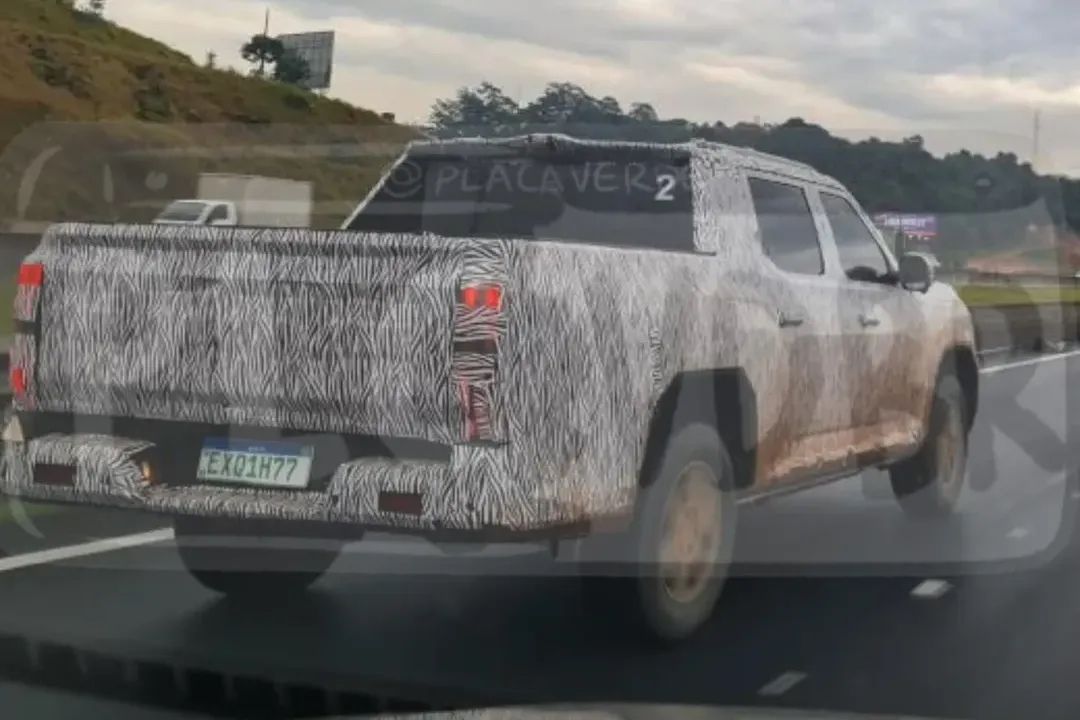
The VW Amarok 2027: A Bold New Direction with a Chinese Heart for Brazil
The Volkswagen Amarok, a steadfast contender in the competitive mid-size pickup segment, is on the cusp of a revolutionary transformation for its South American audience. For years, anticipation built around its next generation, particularly concerning its shared architecture. However, the path taken for the 2027 Amarok for Brazil and the broader region is not what many expected. Instead of a rumored alliance, Volkswagen has pivoted dramatically, opting for a robust **base chinesa brasil** strategy, setting the stage for a larger, more versatile, and future-ready pickup.
The Ford Partnership That Wasn't: Why VW Charted an Independent Course
Initial industry whispers and indeed, concrete plans, suggested a different future for the new Amarok. The expectation was that Volkswagen would emulate its strategy for the Amarok in South Africa, where it shares its underpinnings with the Ford Ranger. This collaborative approach, internally dubbed "Project Cyclone," envisioned joint production of the next-generation pickup at Ford's Pacheco plant in Argentina. Such a partnership would have offered shared development costs and manufacturing efficiencies.
However, these plans ultimately dissolved. Sources indicate that "logistical and commercial divergences" proved insurmountable, preventing the collaboration from moving forward. This breakdown left Volkswagen in a strategic dilemma: without access to Ford's assembly line or its new global pickup platform, an alternative solution was urgently needed for the crucial South American market. The answer came in a decisive, independent, and ultimately more economical move: adapting an existing, technically advanced Chinese model. This pivot highlights Volkswagen's commitment to the region, even if it meant forging an unexpected new path.
Embracing the SAIC Maxus Interstellar X: The New Foundation for the Amarok
The chosen solution is the SAIC Maxus Interstellar X, a cutting-edge pickup unveiled at the 2025 Shanghai Auto Show. This selection marks a significant shift, providing the 2027 Amarok with a fundamentally different and highly capable foundation. The Interstellar X isn't just a donor platform; it's a testament to the rapid advancements in Chinese automotive engineering, offering a blend of modern design, generous dimensions, and impressive versatility.
One of the most compelling aspects of the Maxus Interstellar X platform is its adaptability. It is inherently compatible with a wide range of powertrains, including traditional internal combustion engines (ICE), advanced hybrid systems, and fully electric configurations. This multi-energy capability is a strategic asset, future-proofing the Amarok against evolving emissions regulations and consumer preferences. Volkswagen's decision to leverage this robust *base chinesa brasil* allows it to bring a highly competitive and adaptable product to market without the protracted development cycles of an entirely new platform. For more details on this pivotal shift, you can read about the
New VW Amarok: Chinese Platform Powers 2027 Brazil Launch.
What to Expect from the 2027 Amarok: Design, Dimensions, and Powertrains
The adoption of the Maxus Interstellar X platform signals a substantial upgrade for the Amarok in several key areas, particularly in size and interior sophistication.
*
Significantly Larger Dimensions: The Maxus Interstellar X boasts impressive figures: 5.50 meters in length, 2.0 meters in width, and a substantial 3.30-meter wheelbase. These measurements represent considerable gains over the current Amarok. For drivers and passengers, this translates directly into a more spacious and comfortable cabin, offering greater legroom and shoulder room. Furthermore, the increased dimensions are expected to yield a more generous cargo bed, a critical factor for pickup truck utility, enhancing its appeal for both work and leisure.
*
An Evolved Interior Concept: The Maxus Interstellar X, in its original form, features a futuristic cabin dominated by two large horizontal screens and a minimalist approach to physical buttons. While this showcases modern design trends, Volkswagen is expected to tailor the interior for the South American Amarok. The focus will likely be on aligning the cabin with Volkswagen's established design language, prioritizing ergonomic excellence and brand identity while incorporating advanced digital interfaces. This ensures the familiar quality and user experience VW customers expect.
*
Versatile Powertrain Options: While Volkswagen has yet to make official announcements regarding the Amarok 2027's specific engines, industry insights suggest that powerful turbo gasoline engines will likely form the initial core offering. However, the true strength of the Maxus platform lies in its aforementioned multi-powertrain capability. This opens the door for future hybrid and fully electric variants, aligning the Amarok with global trends towards de-carbonization and sustainable mobility. This represents a significant leap forward, especially compared to the current Amarok's relatively static engine lineup. This strategic choice for a modern, adaptable *base chinesa brasil* truly redefines the pickup's potential. To explore how these changes make it
Bigger & Smarter: Amarok's Chinese Base Redefines VW Pickup for Brazil, read our dedicated analysis.
Strategic Implications and Future Outlook for the Amarok in Brazil
The decision to base the 2027 Amarok on the SAIC Maxus Interstellar X is more than just a change of platform; it's a profound strategic move by Volkswagen for the South American market. With a significant investment of R$ 580 million in its Pacheco plant in Argentina, Volkswagen is reinforcing its regional manufacturing autonomy. The new Amarok, produced locally, will initially run parallel to the current generation, allowing for a gradual market transition and ensuring continuity.
This independent approach, leveraging a technologically advanced *base chinesa brasil*, positions Volkswagen to offer a highly competitive product tailored to the specific demands of the region. It allows for greater control over development, manufacturing, and pricing, potentially giving VW an edge in a fiercely contested segment. The ability to integrate hybrid and electric powertrains from the outset also ensures that the Amarok remains relevant and compliant with future environmental regulations and consumer desires for greener transportation solutions.
For consumers, this means a larger, more modern, and potentially more diverse range of Amarok options in the coming years. While the idea of a "Chinese base" might initially raise questions for some, it's crucial to recognize that Volkswagen's extensive engineering and design teams will meticulously adapt and refine the platform, ensuring it meets the brand's stringent quality, performance, and safety standards. The camouflaged test mules already spotted in Argentina and Brazil, running alongside the current Amarok, are proof that this ambitious project is well underway.
Conclusion
The 2027 Volkswagen Amarok represents a significant and unexpected chapter in the pickup's history, particularly for the South American market. By choosing a sophisticated SAIC Maxus Interstellar X as its new *base chinesa brasil*, Volkswagen has made a bold statement of independence and forward-thinking strategy. This pivot, born from the dissolution of a potential Ford partnership, promises a larger, more versatile, and technologically advanced Amarok. With its multi-powertrain compatibility, enhanced dimensions, and tailored Volkswagen identity, the new Amarok is poised to redefine its presence in the region, ready to tackle the challenges and opportunities of the coming decade. Its launch in 2027 will undoubtedly be one of the most anticipated automotive events in Brazil and across South America.