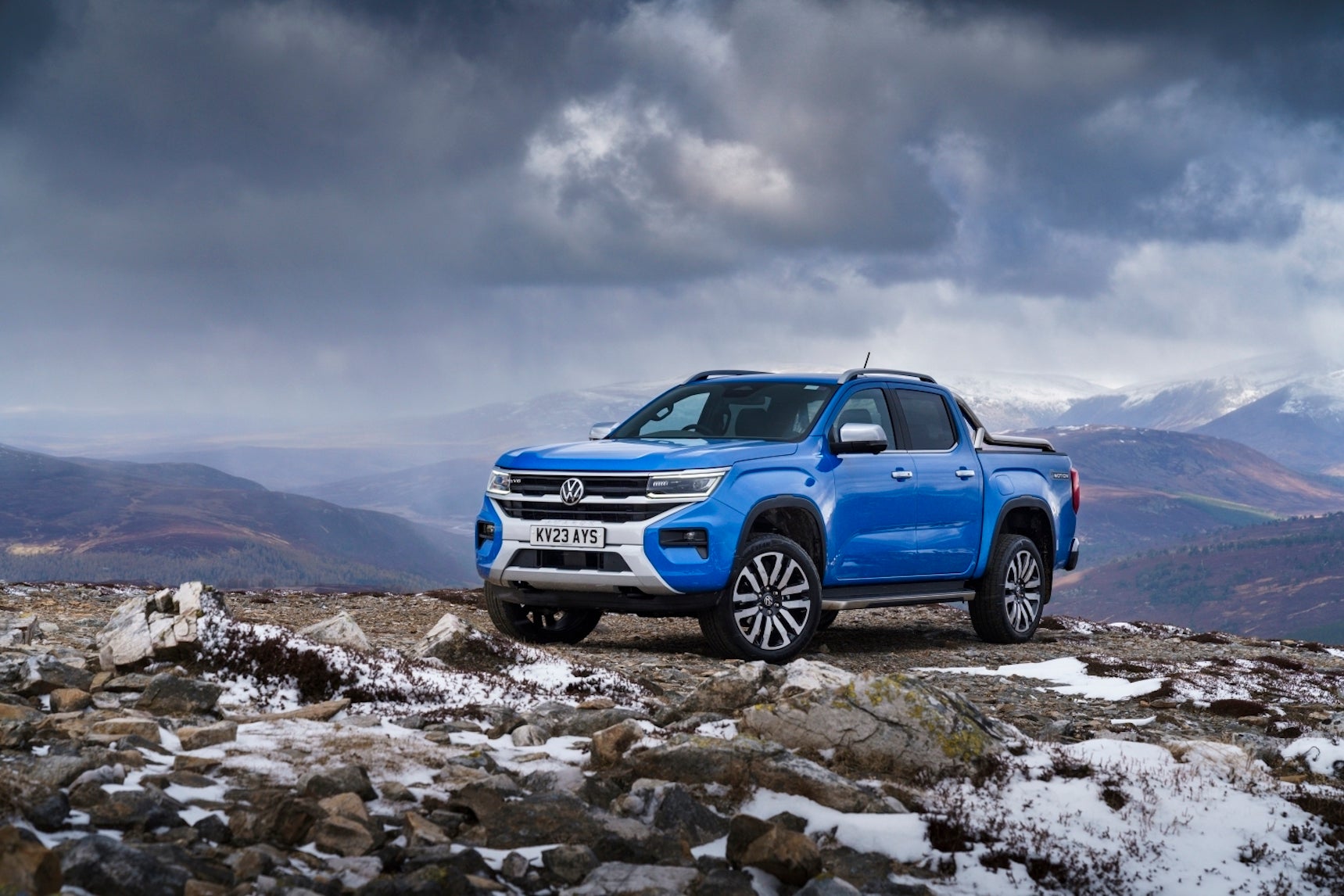
The Volkswagen Amarok, a steadfast contender in the highly competitive medium pickup truck segment across South America, is gearing up for a monumental transformation. Forging a path distinctly its own, the new Amarok destined for Brazil and the broader region is set to embrace a revolutionary approach: a robust and versatile base chinesa brasil. This strategic pivot marks a significant shift for Volkswagen, promising a pickup that is not only bigger and more capable but also intelligently aligned with future mobility trends. With its launch slated for 2027 and production firmly established in Argentina, the stage is set for an Amarok reimagined from the ground up.
The Strategic Pivot: Why a Chinese Base for the Amarok in Brazil?
The decision to adopt a Chinese platform for the next-generation Volkswagen Amarok in Brazil represents a pivotal moment for the brand. Initially, industry whispers and Volkswagen's own collaborative history with Ford in other markets (like the Ranger-based Amarok in South Africa) suggested a similar partnership for South America. This highly anticipated "Project Cyclone" aimed for a joint production of the new pickup at Ford's Pacheco plant in Argentina. However, as often happens in complex global ventures, logistical and commercial divergences ultimately derailed these plans.
Faced with the challenge of developing a new Amarok independently, Volkswagen sought an alternative that was both economically viable and technically sound. The solution came in the form of adapting an existing Chinese model, a move that offered a ready-made platform with inherent high technical capabilities and proven structural integrity. This independent and economical approach allowed Volkswagen to maintain greater control over the project while leveraging the rapid advancements in automotive engineering from the East. The substantial investment of R$ 580 million in the Pacheco plant in Argentina underscores Volkswagen's commitment to regional production and its long-term vision for the South American market, with the base chinesa brasil becoming the new cornerstone of this strategy.
From Cyclone to Interstellar: The SAIC Maxus Advantage
The chosen foundation for the new Amarok is the SAIC Maxus Interstellar X, a cutting-edge pickup truck unveiled at the 2025 Shanghai Motor Show. This platform is far from a mere stopgap; it represents a significant leap forward. The Maxus Interstellar X boasts a highly versatile architecture, capable of accommodating a wide array of powertrains, including traditional internal combustion engines, advanced hybrids, and even fully electric configurations. This adaptability is a key factor, positioning the new Amarok at the forefront of automotive trends and providing Volkswagen with invaluable flexibility for future market demands in Brazil and beyond.
The allure of the Interstellar X wasn't just its versatility but also its demonstrated technical prowess and robust structural evaluations. Volkswagen's engineers have recognized the inherent strengths of this platform, which offers a sturdy and modern base upon which to build a vehicle worthy of the Amarok nameplate. This strategic decision to opt for a sophisticated base chinesa brasil signifies Volkswagen's pragmatic approach to engineering and its willingness to innovate by looking beyond traditional partnerships.
A New Era of Dimensions and Design: Bigger, Roomier, More Robust
One of the most immediate and impactful changes for the new Amarok will be its size. Drawing directly from the Maxus Interstellar X's generous dimensions, the upcoming Amarok is set to be visibly larger than its predecessor. The Interstellar X measures an impressive 5.50 meters in length, 2 meters in width, and features a substantial 3.30-meter wheelbase. These figures represent significant gains compared to the current Amarok, translating directly into tangible benefits for both occupants and cargo.
The extended dimensions mean more spacious interiors, offering enhanced comfort for passengers, especially those in the rear seats. Furthermore, the longer wheelbase and overall larger footprint will result in a more generous cargo bed, a crucial attribute for a pickup truck designed for both work and leisure in Brazil's diverse landscape. While the underlying structure is Chinese, Volkswagen do Brasil will play a critical role in shaping the new Amarok's identity. The team will be responsible for adapting the exterior styling and interior layout, meticulously applying Volkswagen's distinctive design language and ergonomic philosophy to ensure the new model resonates strongly with the brand's loyal customer base.
Interior Evolution: Blending Futurism with VW Ergonomics
The interior of the Maxus Interstellar X, as showcased at the Shanghai Motor Show, is a glimpse into a futuristic cabin environment. It features a minimalist design dominated by two large horizontal screens and a striking absence of physical buttons, reflecting contemporary trends in digital integration. While visually impressive, Volkswagen understands the unique preferences and expectations of its target market in Brazil.
Therefore, the expectation is that the Amarok produced for Brazil will adopt a cabin more aligned with Volkswagen's established visual standards. This will likely involve a thoughtful blend of advanced digital interfaces with carefully selected physical controls, prioritizing ergonomics, intuitive usability, and the familiar premium feel associated with the VW brand. This adaptation is crucial; it ensures that despite its base chinesa brasil, the Amarok will still deliver the comfort, quality, and user experience that Volkswagen customers have come to expect, marrying cutting-edge technology with practical, driver-centric design.
Powering the Future: Hybrid and Electric Horizons for Brazil
While official confirmations regarding the exact motorizations are still pending, industry sources indicate that the new Amarok will initially feature robust turbo gasoline engines. This choice aligns with market demands and provides a powerful and efficient starting point for the new model. However, the true game-changer lies in the inherent flexibility of the SAIC Maxus platform.
Crucially, this advanced base chinesa brasil is engineered to support future hybrid and fully electric versions. This capability is not just a technological advantage; it's a strategic move that aligns the Amarok with global trends in decarbonization and sustainability. For the Brazilian market, this opens up exciting possibilities:
- Enhanced Fuel Efficiency: Hybrid variants can significantly reduce fuel consumption, a major benefit for both urban commuters and long-distance travelers.
- Lower Emissions: As environmental regulations tighten, hybrid and electric options offer cleaner alternatives, contributing to improved air quality.
- Future-Proofing: Investing in a platform that supports diverse powertrains ensures the Amarok remains relevant and competitive in an evolving automotive landscape.
- Performance Advantages: Electric and hybrid systems can offer instant torque and impressive acceleration, enhancing the driving experience.
The Gradual Transition: Coexistence and Evolution
Despite the revolutionary changes, Volkswagen is committed to a smooth market transition. The official launch of the new Amarok is set for 2027, providing ample time for meticulous engineering adjustments, design refinements, and production ramp-up. Importantly, the new model will be produced in parallel with the current-generation Amarok, which will continue its run on the Pacheco assembly line. This gradual transition strategy allows Volkswagen to maintain market presence, cater to existing demand for the established model, and carefully introduce the new, technologically advanced version without disruption. The current Amarok, having served the market for over a decade, will gracefully make way for its bigger, smarter successor.
Beyond the Hype: What Does This Mean for the Brazilian Market?
The adoption of a base chinesa brasil for the new Volkswagen Amarok carries significant implications for Brazilian consumers and the competitive pickup truck segment. This strategic decision offers a compelling value proposition, but also presents unique considerations:
- Modernity and Innovation: Consumers can expect a pickup truck built on a contemporary platform, offering advanced technology, improved safety features, and a superior driving experience compared to the aging current model.
- Increased Space and Comfort: The larger dimensions directly translate into more comfortable passenger accommodation and a more utilitarian cargo bed, catering better to the diverse needs of families and professionals.
- Future-Proof Powertrains: The promise of hybrid and electric variants means that the Amarok will be equipped to handle future fuel efficiency standards and environmental demands, offering greater longevity and potentially lower running costs.
- Competitive Positioning: By leveraging an economic yet high-quality Chinese base, Volkswagen can potentially offer a highly competitive price point for a feature-rich, modern pickup, challenging established rivals in the market.
- Brand Perception: Volkswagen's task will be to effectively communicate the value and quality of this new approach. While the platform originates from China, the extensive adaptation by VW engineers ensures the vehicle meets the brand's stringent quality standards and design ethos. Trust in the Volkswagen badge will be key in dispelling any initial hesitations related to the platform's origin.
For those considering a new pickup truck in the coming years, the 2027 Amarok will represent a fresh and bold option. Volkswagen's commitment to adapting the Maxus platform, investing in regional production, and focusing on brand identity means that the new Amarok is more than just a rebadged vehicle; it's a meticulously crafted evolution designed specifically for the South American consumer. This strategic move highlights Volkswagen's adaptability and determination to remain a dominant force in a critical market segment.
The arrival of the new Volkswagen Amarok, underpinned by a sophisticated base chinesa brasil, heralds an exciting new chapter for the brand in South America. This strategic shift promises a pickup truck that is not only significantly larger and more accommodating but also technically advanced and future-proofed with hybrid and electric capabilities. As the 2027 launch approaches, the combination of Volkswagen's design expertise and the versatile Maxus platform is set to redefine expectations for the Amarok, positioning it as a truly Bigger & Smarter contender in the competitive Brazilian market. The meticulous adaptation process, regional production in Argentina, and the clear vision for advanced powertrains underscore Volkswagen's commitment to delivering a modern, capable, and segment-leading pickup for years to come.